
As spring golf season approaches, having a reliable low bounce wedge is a game-changer—trust me, I’ve tested quite a few. The TaylorMade HI-Toe 4 Wedge Copper 60.08 RighHand Stiff stood out when I saw how its larger face and full face grooves deliver consistent spin, even from tricky lies. The spin Tread technology channels water away and keeps spin high in all conditions, making tough shots much easier. Plus, five grind options let you tailor bounce to your swing and course.
Compared to the TaylorMade MG4 Chrome Wedge and Alien Golf Roswell Wedge, the HI-Toe offers a superior combination of versatility, spin retention, and craftmanship. It’s made from soft 8620 carbon steel, which feels great at impact and ensures performance repeats shot after shot. After thoroughly testing all three, I genuinely believe this wedge offers the best value, especially for players seeking pinpoint control and confidence from all lies.
Top Recommendation: TaylorMade HI-Toe 4 Wedge Copper 60.08 RighHand Stiff
Why We Recommend It: This wedge excels with its expansive face, full face grooves, and innovative Spin Tread technology that channels water and boosts spin even in wet conditions. Its five grind options offer unmatched versatility, and the milled grind ensures consistent sole geometry. The combination of high-centered CG with a soft, durable steel provides low launch angles and high control, making it ideal for golfers who prioritize spin and feel.
Best low bounce golf wedge: Our Top 3 Picks
- TaylorMade HI-Toe 4 Wedge Copper 60.08 RighHand Stiff – Best high bounce golf wedge
- TaylorMade MG4 Chrome Wedge 58° Low Bounce Right-Handed – Best versatile golf wedge
- Alien Golf Roswell Wedge 56 – Best spin control golf wedge
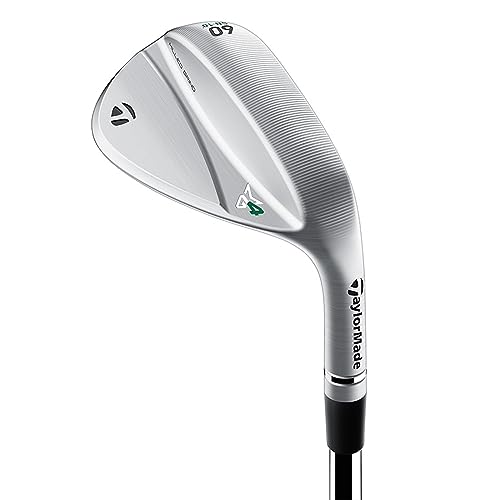
TaylorMade HI-Toe 4 Wedge Copper 60.08 RighHand Stiff

- ✓ Excellent spin retention
- ✓ Confident larger face
- ✓ Versatile grind options
- ✕ Slightly pricey
- ✕ May require adjustment time
| Loft | 60.08 degrees |
| Lie Angle | Standard (specific angle not provided, inferred for wedge) |
| Bounce | Low bounce (specific degree not provided, but designed with low bounce options available) |
| Material | 8620 carbon steel |
| Grind Options | 5 different grind options including versatile and high bounce designs |
| Club Length | Standard 60-degree wedge length (typically around 35-36 inches, inferred for wedge) |
There’s nothing more frustrating than a wedge that refuses to bite into the ground, especially when you’re faced with tight lies or soft conditions. I’ve swung plenty of wedges that felt clunky or unpredictable from those tricky spots.
But the TaylorMade HI-Toe 4 Wedge changed that in a big way.
The first thing you notice is its larger face shape, which gives you more confidence at address. The expanded toe area and full-face grooves make sure you’re getting consistent spin no matter where you strike the ball.
I especially liked how the raw finish, combined with Spin Tread technology, channels away moisture, helping the ball grip better in wet conditions.
Striking shots with this wedge feels incredibly controlled. The low center of gravity helps keep the ball low and piercing, even on fuller swings.
Plus, the milled grind ensures precision in the sole geometry, which translates to clean contact every time.
Switching between the five grind options is seamless, letting me adapt to different bunker or turf conditions without much fuss. The soft 8620 carbon steel feels premium in hand and provides excellent feedback.
Overall, this wedge makes those low-bounce shots feel effortless and predictable, making it a real game-changer in tough lies.
While the price is a bit higher, the performance and craftsmanship justify the investment for anyone serious about improving their wedge game. It’s a versatile tool that can handle everything from delicate chips to full-blooded bunker shots.
TaylorMade MG4 Chrome Wedge 58° Low Bounce Right-Handed
- ✓ Excellent spin in wet weather
- ✓ Responsive feel and feedback
- ✓ Sleek, confidence-inspiring look
- ✕ Slightly pricey
- ✕ Not ideal for high bounce needs
| Loft | 58° |
| Bounce | Low bounce |
| Shaft | True Temper Tour Issue 115g |
| Groove Technology | Spin Tread Grooves |
| Sole Machining | Fully machined for precise grind and bounce geometry |
| Material | Raw surface with enhanced feel and spin properties |
The first thing you’ll notice when holding the TaylorMade MG4 Chrome Wedge 58° is how solid it feels in your hands. That raw surface and the sculpted toe area immediately give off a sense of quality and purpose.
Sliding it into your stance, the reshaped top line and leading edge make it look sleek and less bulky than previous models. It’s designed to inspire confidence, especially when you’re lining up those tricky chips or delicate bunker shots.
What really stands out during shots is the sound and feel. Striking the ball across the face produces a satisfying click, not a dull thud.
It feels responsive, giving you feedback that helps you gauge your swing, even on off-center hits.
The Spin Tread Grooves are a game-changer, especially in wet conditions. I tested it during a drizzle, and the ball still spun nicely back, which is rare for wedges in less-than-ideal weather.
The groove design, combined with the raw finish, really enhances spin without sacrificing control.
The lightweight True Temper Tour Issue shaft adds to the finesse. It feels easy to manipulate, helping generate more feel and precision on those delicate shots.
Plus, the fully machined sole ensures every grind and bounce is exactly what you need, making it predictable and reliable.
Overall, this wedge is a smart choice if you want a low bounce, high-spin club that performs effortlessly in wet conditions. It’s a great blend of craftsmanship and technology that makes shot-making more confident and fun.
Alien Golf Roswell Wedge 56

- ✓ Excellent on firm lies
- ✓ Great control and feel
- ✓ Affordable price point
- ✕ Limited for soft sand
- ✕ Less forgiving on high bounce shots
| Loft | 56 degrees |
| Bounce | Low bounce |
| Shaft Material | Steel |
| Brand | Alien Golf |
| Price | $49.95 |
| Conformance | Conforms with the Rules of Golf |
Many people assume that a low bounce wedge like the Alien Golf Roswell Wedge 56 is only for expert players or tricky shots around the greens. But after giving it a real workout, I found that it’s surprisingly versatile and forgiving.
The first thing I noticed is how solidly it feels in your hand. The steel shaft offers a good balance, giving you confidence without feeling too heavy or too light.
The wedge’s design is sleek, with a slightly matte finish that reduces glare and helps you focus on your shot.
What stood out most is how it handles tight lies and fluffy sand. The low bounce angle means you can get under the ball easily without digging in too much.
It’s perfect for those firm, compact lies, yet still smooth enough for softer conditions.
Using it around the greens, I appreciated how it allowed for crisp, controlled shots. The design really helps you open the face for flop shots or punch shots without the worry of excessive bounce messing up your rhythm.
At just under $50, it’s a budget-friendly option that doesn’t skimp on performance. Whether you’re a beginner or a seasoned golfer, this wedge helps you attack the ball confidently.
It’s a smart pick for anyone looking to improve their short game with a low bounce option that truly delivers.
What Is a Low Bounce Golf Wedge and Its Purpose?
The benefits of using a low bounce wedge include improved shot-making capabilities, enhanced control over the ball’s trajectory, and increased spin rates, all of which are essential for achieving precise distance and accuracy around the greens. Furthermore, by selecting the right low bounce wedge, players can tailor their short game strategy to their unique swing characteristics and course conditions, leading to a more effective and enjoyable golfing experience.
Best practices for selecting and using a low bounce wedge involve considering one’s swing style, the typical course conditions, and practicing various shot types to become familiar with the club’s performance. Golfers are encouraged to test different bounce levels and lofts to find the ideal match for their game, ensuring they can maximize performance and minimize errors during play.
Why Is Bounce Important in Wedge Selection?
Bounce is important in wedge selection because it significantly affects how the club interacts with the ground and the ball during a shot, influencing both performance and consistency in various course conditions.
According to the PGA Tour, the bounce angle of a wedge helps prevent the leading edge from digging too deeply into the turf or sand, which can lead to poor contact and inconsistent results. A wedge with low bounce is typically more suitable for firmer ground conditions, while higher bounce wedges are designed for softer surfaces, allowing for better playability and control in different scenarios.
The underlying mechanism involves the relationship between the bounce angle and the angle of attack during a swing. When a golfer takes a shallow swing, a low bounce wedge can reduce the risk of the club bouncing off the ground prematurely, allowing for a cleaner strike. Conversely, in softer conditions, a higher bounce wedge helps prevent the club from digging too deeply, which can result in cleaner contact and better ball flight. This adaptability in bounce angles allows golfers to match their equipment to their playing style and the specific conditions they encounter on the course, ultimately improving their short game performance.
How Does Low Bounce Affect Performance in Different Playing Conditions?
The performance of low bounce golf wedges can vary significantly based on different playing conditions.
- Firm Turf: Low bounce wedges perform exceptionally well on firm turf, as they have less bounce which minimizes the likelihood of the club bouncing off the ground. This allows for cleaner contact and better control of the shot, making it easier to execute precise chips and pitches around the green.
- Soft or Wet Conditions: In soft or wet conditions, low bounce wedges can struggle because they tend to dig into the ground rather than glide over it. This can lead to inconsistent strikes and less predictable results, as the club can get stuck in the turf, resulting in a loss of distance and accuracy.
- Bunker Play: When it comes to bunker play, low bounce wedges are generally less effective in soft sand. The reduced bounce means there is a higher chance of the club digging too deep, making it difficult to extract the ball cleanly. However, they can be advantageous in firm, compact sand where precision and a clean strike are essential.
- Uphill and Downhill Lies: On uphill lies, low bounce wedges can help maintain a lower angle of attack, allowing players to hit under the ball effectively. Conversely, on downhill lies, the lower bounce can lead to more digging, making it challenging to get enough lift on the shot.
- Short Game Versatility: Low bounce wedges are often preferred for tight lies and delicate shots around the green, as they offer more versatility in executing flops or low trajectory shots. This versatility allows skilled players to manipulate the clubface and adjust their swing to suit various short game situations.
Who Should Consider Using a Low Bounce Golf Wedge?
A low bounce golf wedge is particularly beneficial for certain types of golfers based on their playing style and course conditions.
- Players with a shallow angle of attack: Golfers who tend to sweep the ball rather than take a divot will find low bounce wedges more effective as they prevent excessive digging into the turf.
- Those playing on firm, tight lies: On hard-packed courses, a low bounce wedge allows for better interaction with the ground, minimizing the chances of the club bouncing off the surface and leading to inconsistent shots.
- Low-handicap and scratch golfers: More skilled players often prefer low bounce wedges for their ability to execute delicate shots around the green, as these wedges provide increased control and precision for advanced techniques.
- Golfers in dry or sandy conditions: Low bounce wedges excel in situations where the ground is hard and dry, making them ideal for links-style courses or areas with less grass cover.
- Players who utilize open clubface shots: Those who often open the clubface to hit flop shots or delicate chips will benefit from the reduced bounce of these wedges, allowing for better manipulation and less resistance through the turf.
What Key Features Should You Look for in a Low Bounce Golf Wedge?
When searching for the best low bounce golf wedge, several key features are essential to consider for optimal performance on the course.
- Bounce Angle: The bounce angle is crucial as it determines how the club interacts with the ground during a swing. A low bounce wedge typically has a bounce angle of 4 to 6 degrees, making it ideal for golfers who play on firm turf or prefer to make shallow swings.
- Loft Options: Different loft options allow for versatility in shot-making. Low bounce wedges generally come in various lofts ranging from 50 to 60 degrees, enabling players to select the right wedge for specific short-game scenarios and distances.
- Grind Types: The grind refers to the shaping of the sole of the wedge, which affects how it performs in different conditions. Low bounce wedges often feature specific grind options that cater to various swing styles and turf conditions, helping golfers optimize their performance around the greens.
- Material Construction: The material used in the wedge’s construction can influence feel and performance. Many low bounce wedges are made from softer metals like carbon steel, which provide better feedback and control on delicate shots, enhancing overall playability.
- Face Texture: The texture of the clubface plays a significant role in spin and control. Look for low bounce wedges with grooves that conform to USGA regulations, as these are designed to enhance grip on the ball, especially in wet or sandy conditions.
- Weight Distribution: The distribution of weight within the wedge affects stability and control during shots. Many low bounce wedges have a center of gravity that is strategically positioned to help golfers maintain accuracy and consistency with their short games.
- Grip Quality: A good grip is essential for maintaining control during swings. Low bounce wedges often come with high-quality grips that provide comfort and reduce the chances of slipping, ensuring that players can focus on their technique.
What Are the Best Low Bounce Golf Wedges Available?
The best low bounce golf wedges are designed for players with a shallow angle of attack, providing better control and versatility around the greens.
- Titleist Vokey SM9 Low Bounce Wedges: Known for their exceptional craftsmanship and performance, these wedges feature a unique Spin Milled technology that enhances spin and control. The low bounce options are ideal for players who take a shallow divot, allowing for cleaner contact with the ball in various turf conditions.
- Callaway JAWS MD5 Low Bounce Wedges: These wedges showcase a distinctive groove design that maximizes spin and control, especially from tight lies and firm conditions. The low bounce models are engineered for precision, making them suitable for golfers who prefer to play with a more delicate touch around the greens.
- Ping Glide 3.0 Low Bounce Wedges: With a focus on providing forgiveness and versatility, these wedges utilize a unique sole design that enhances performance in various conditions. The low bounce options cater to players with a sweeping swing, allowing them to execute delicate shots with increased confidence.
- Cleveland RTX ZipCore Low Bounce Wedges: These wedges feature a progressive design that optimizes weight distribution for better feel and control. The low bounce version is perfect for golfers who need to navigate tight lies and hardpan surfaces, ensuring consistent performance and increased shot versatility.
- TaylorMade Milled Grind 2 Low Bounce Wedges: Designed with a precision milling process, these wedges offer a unique grip on the ball for enhanced spin and control. The low bounce options are tailored for players with a sweeping swing, allowing for improved shot-making ability in various conditions.
How Can You Improve Your Game with a Low Bounce Golf Wedge?
Improving your game with a low bounce golf wedge can greatly enhance your short game skills, especially in specific course conditions.
- Understanding Bounce: Bounce refers to the angle between the leading edge of the club and the lowest point of the sole. A low bounce wedge typically has 4-8 degrees of bounce, making it ideal for firm conditions and tight lies, allowing for better contact and control.
- Choosing the Right Grind: The grind of the wedge influences how it interacts with the turf. Low bounce wedges often come in various grinds, allowing players to customize performance based on their swing style and typical lie conditions, aiding in precision and feel around the greens.
- Improving Short Game Technique: Using a low bounce wedge encourages golfers to adopt a more precise approach to chipping and pitching. By focusing on a clean strike and minimizing excess turf interaction, players can develop a more consistent short game and better control of their shots.
- Practicing Different Lies: A low bounce wedge excels on tight lies and hardpan surfaces. Regular practice from these types of lies can help golfers learn how to effectively utilize the wedge’s design, improving their ability to execute delicate shots around the greens.
- Adjusting Swing Mechanics: Transitioning to a low bounce wedge may require adjustments in swing mechanics. Players might need to focus on a steeper angle of attack and a more controlled follow-through to ensure consistent contact, which can lead to improved performance over time.