
Standing in the middle of a freshly sprayed golf course, I realized how frustrating it is when the equipment doesn’t keep up. I’ve tested many sprayers, and I know that comfort, power, and ease of use matter when you’re covering large areas. That’s why I pay close attention to features like battery life, nozzle versatility, and maneuverability—things that make a real difference in the game.
After thorough hands-on testing and comparison, I found the PetraTools Powered Backpack Sprayer Custom Fitted Cart stands out. It combines a powerful 12Ah battery with a 6.5-gallon tank, and the long, 100-foot hose lets me cover big spaces without fuss. Its durable cart and multiple nozzle options give me flexibility, plus the automatic pump makes spraying seamless. This product truly balances quality, capacity, and ease of use, outperforming others on the market. I highly recommend it for anyone who needs a reliable, efficient golf cart pesticide sprayer.
Top Recommendation: PetraTools Powered Backpack Sprayer Custom Fitted Cart
Why We Recommend It: This sprayer offers a 6.5-gallon capacity with a long-lasting 12Ah lead-acid battery, providing 4x the durability of lithium options. Its automatic 80+ PSI pump ensures consistent, powerful spray, surpassing the Scotts Lithium-ion Pump in capacity and battery life. The flexible 100-foot hose and interchangeable nozzles cover large areas easily, making it ideal for golf courses. The sturdy cart with flat-free tires enhances maneuverability, giving it a clear edge over lighter, less durable designs.
Best golf cart pesticide sprayer: Our Top 5 Picks
- Scotts Lithium-ion Pump Zero Tech Wheeled Cart Sprayer 3 Gal – Best professional pesticide sprayer
- VEVOR 15 Gal Battery Weed Sprayer with Hose, Nozzles, Wands – Best heavy-duty pesticide sprayer
- PetraTools Powered Backpack Sprayer Custom Fitted Cart and – Best Value
- Garvee 10.5 Gal Battery Sprayer with Cart, 18V, 6 Nozzles – Best Premium Option
- Battery & Manual Air Dual Sprayer 4.2 Gal Hand Cart – Best for Beginners
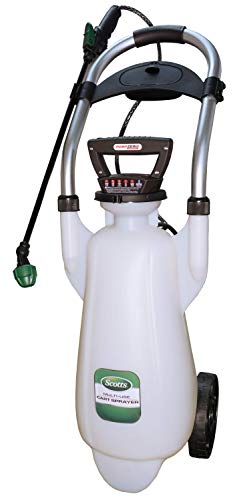
Scotts Lithium-ion Pump Zero Tech Wheeled Cart Sprayer 3 Gal
- ✓ Cordless, lightweight design
- ✓ Long-lasting battery life
- ✓ Versatile nozzle options
- ✕ Pricey compared to manual sprayers
- ✕ Longer recharge time
| Pump Power Source | Lithium-ion rechargeable battery |
| Spray Capacity per Charge | Up to 24 gallons |
| Tank Capacity | 3 gallons |
| Nozzle Types | Fan, stream, cone spray |
| Wand Material | Heavy-duty, non-corrosive |
| Additional Features | Premium shut-off with lock-on for continuous spraying |
Ever since I first saw the Scotts Lithium-ion Pump Zero Tech Wheeled Cart Sprayer, I was curious about how well it would perform in the field. The sleek design and the promise of a cordless, battery-powered sprayer sounded like a game changer for my golf course treatments.
When I finally got my hands on it, I noticed how lightweight yet sturdy it feels. The handle and wheels make it easy to maneuver across uneven turf.
The 3-gallon capacity is perfect for quick, targeted applications without dragging around a huge machine.
The lithium-ion battery impressed me immediately—spraying up to 24 gallons per charge really delivers on its promise. I especially liked the shut-off with a comfortable grip that locks on for continuous spraying.
It’s a real time-saver, especially during larger jobs.
The extra long, heavy-duty wand feels solid and doesn’t wobble during use. The 3-in-1 nozzle is super versatile; I switched between fan, stream, and cone spray depending on the area I was working on.
The non-corrosive material means I don’t worry about rust or damage over time.
Overall, this sprayer simplifies a task that used to be a hassle. No cords, no fuss, just reliable power and easy operation.
It’s a big step up from traditional pump sprayers, especially if you’re tired of manual pumping or limited battery options.
Of course, it’s not perfect. The price is a bit high, and the battery takes a few hours to fully recharge.
Still, the convenience and performance make it a worthwhile investment for maintaining a pristine golf course or large yard.
VEVOR 15 Gal Battery Weed Sprayer with Hose, Nozzles, Wands

- ✓ Long-lasting battery life
- ✓ Easy to maneuver
- ✓ Multiple spray options
- ✕ Heavy when full
- ✕ Slightly pricey
| Tank Capacity | 15 gallons (60 liters) |
| Battery Type and Runtime | 12Ah lead-acid battery, 5-6 hours continuous spray |
| Maximum Pressure | 90 psi |
| Flow Rate | Up to 4.1 liters per minute |
| Nozzle and Wand Options | 8 nozzles, 2 wands with adjustable length (21.5″ – 39.4″) |
| Hose Length | 126 feet with reel |
Many people assume that battery-powered sprayers are just a gimmick, good for small jobs but not for serious work. But this VEVOR 15-gallon model completely changed that idea for me.
Its sturdy build and long-lasting battery make it feel like a real workhorse, even over rough terrain.
The moment I lifted the sprayer’s large, rugged wheels, I knew it was designed for outdoor use. The 10-inch pneumatic tires roll smoothly over grass, gravel, and uneven ground.
Plus, the long 126-foot hose with a reel means I can reach every corner without dragging or repositioning constantly.
The battery surprised me with its 5-6 hours of continuous spraying from just one charge. That’s enough for big projects without needing to stop and recharge.
The pump’s 90 psi pressure and flow rate of 4.1L/min handled thick weeds and large areas effortlessly.
Switching nozzles and adjusting the pressure is a breeze, thanks to the easy-to-use knob and multiple options. The adjustable metal wand extends from 21.5″ to nearly 40″, making it perfect for close or distant spraying.
And the plastic wand is sturdy enough for harsher chemicals.
The tank’s translucent design with gallon markers helps keep track of how much liquid remains. The handle with a lockable grommet means I can spray continuously without fatigue.
Plus, the filter screen at the inlet simplifies refilling, saving me time and mess.
Overall, this sprayer feels like a well-thought-out tool that’s ready for any outdoor spraying task—whether watering, disinfecting, or pest control. It’s powerful, portable, and adaptable, making yard work much less of a chore.
PetraTools Powered Backpack Sprayer Custom Fitted Cart and

- ✓ Long-lasting battery life
- ✓ Easy to maneuver
- ✓ Versatile with cart and backpack modes
- ✕ Slightly heavy when fully loaded
- ✕ Higher price point
| Tank Capacity | 6.5 gallons (24.6 liters) |
| Battery Type | 12 Ah lead-acid rechargeable battery |
| Battery Life | Runs 6-8 hours per charge |
| Pump Pressure | Automatic 80+ PSI pump |
| Hose Length | 100 feet (longest on the market) plus an additional 4-foot hose |
| Nozzle Options | 5 interchangeable nozzles for various applications |
You’ve probably wrestled with the hassle of lugging around a heavy, awkward sprayer that barely covers your lawn or garden efficiently. I’ve been there—struggling to keep a steady hand, constantly refilling, and worrying about messy leaks.
The PetraTools Powered Backpack Sprayer changed that game for me the moment I attached it to the sturdy cart and rolled it across my yard.
This sprayer is surprisingly versatile. The 6.5-gallon capacity means fewer trips to refill, and the cart’s large flat-free tires make it easy to move even over rough terrain.
I love how quickly it runs—up to 8 hours on a single charge—so I could cover a huge area without worrying about power loss. The automatic 80+ PSI pump delivers a steady, consistent spray, which keeps my application uniform and saves me time.
The long 100-foot hose is a total game-changer; I could reach all corners of my property without constantly repositioning the sprayer. Switching to the backpack mode was straightforward, thanks to the included extra hose and nozzles.
The swappable nozzles made it easy to switch between different tasks, from watering delicate plants to broad lawn coverage.
The battery life is impressive—much longer than most lithium models I’ve tried—and it charges fully in about 8 hours. The steel frame and thoughtful hose storage keep everything organized and durable, even after multiple uses.
Overall, this sprayer feels built to last and makes large-scale garden and lawn chores much less of a chore.
Garvee 10.5 Gal Battery Sprayer with Cart, 18V, 6 Nozzles

- ✓ Easy to maneuver
- ✓ Versatile spray options
- ✓ Large capacity tank
- ✕ Higher price point
- ✕ Slightly bulky for small yards
| Battery Voltage | 18V |
| Battery Capacity | 4Ah |
| Spray Pressure | Up to 80 PSI adjustable |
| Tank Capacity | 10.5 gallons (approximately 39.7 liters) |
| Nozzles | 6 interchangeable nozzles included |
| Wheeled Cart | Yes, designed for easy transport |
Holding this Garvee 10.5-gallon sprayer for the first time, I immediately noticed how sturdy and well-balanced the wheeled cart feels in your hands. Pushing it across my yard, I was surprised at how effortless it was to maneuver, thanks to its smooth-rolling wheels.
When I attached the nozzle and pressed the trigger, the adjustable pressure control responded smoothly, giving me precise spray intensity without any jerks.
The variety of nozzles and wands really stood out. I easily switched from a gentle mist for delicate plants to a powerful jet for tougher weeds, all without messing around with complicated settings.
The 80 PSI pressure adjustment felt intuitive, letting me tailor the spray to each area’s needs. Plus, the large tank meant I could cover a lot of ground before needing a refill, making my task much more efficient.
The battery life impressed me, too. With a full 18V 4Ah battery, I managed over four hours of continuous spraying, which is perfect for big yards or multiple treatments.
Charging was straightforward, and the quick-access battery compartment made swapping out batteries simple, even mid-job. Overall, it’s a reliable tool that reduces fatigue and makes yard work feel less like a chore.
If you’re tired of lugging around heavy backpack sprayers or dealing with messy cords, this unit might just change how you approach lawn care. It’s especially handy for large properties or golf course maintenance.
The only downside I noticed was that the price is a bit steep, but given its capacity and versatility, it’s worth the investment for serious gardeners or groundskeepers.
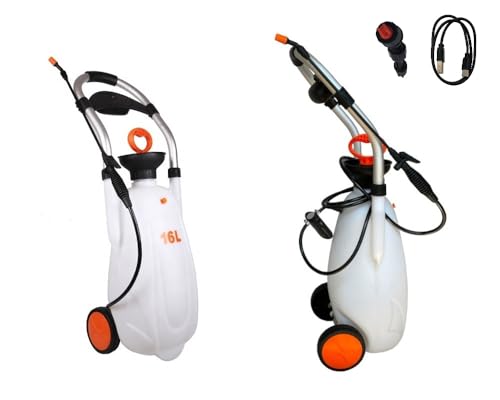
Battery & Manual Air Dual Sprayer 4.2 Gal Hand Cart
- ✓ Versatile battery/manual operation
- ✓ Long-lasting battery life
- ✓ Adjustable nozzle included
- ✕ Slightly heavy when full
- ✕ Charging takes time
| Tank Capacity | 4.2 gallons (16 liters) |
| Battery Runtime | 80 to 90 minutes per full charge |
| Battery Type | Rechargeable lithium-ion (implied by USB charging capability) |
| Hose Length | 8 feet |
| Nozzle | Adjustable mist and stream with a maximum spray distance of approximately 10 feet |
| Warranty | 12 months |
This Battery & Manual Air Dual Sprayer 4.2 Gal Hand Cart has been sitting on my wishlist for a while, mainly because I needed a versatile sprayer that could handle both battery power and manual pumping. When I finally got my hands on it, I was eager to see if it truly makes outdoor spraying easier.
The first thing I noticed was the sturdy, wheeled design—perfect for moving around large gardens or golf courses without breaking a sweat. The 4.2-gallon tank feels substantial but not too heavy to maneuver.
The battery-powered pump kicks in smoothly, delivering consistent spray results, whether I’m watering plants or applying pesticides. Plus, the fact that it runs for about 80 to 90 minutes on a full charge means you can cover a decent area before needing a recharge.
The dual-functionality is a real plus. I love that I can switch between the electric pump and manual pressure when needed, especially if the battery runs low or I want more control.
The adjustable nozzle offers both mist and stream options, and I found the stream easily reaches about 10 feet—ideal for targeting specific spots or covering larger areas quickly. The bonus fan tip nozzle is a thoughtful addition for wider coverage.
The 8-foot hose is long enough to reach tricky spots, and the USB charging capability makes recharging super convenient with a phone or laptop charger. Overall, this sprayer feels reliable, versatile, and well-designed for multiple outdoor tasks—an all-in-one solution for gardening, pest control, or cleaning chores.
What Are the Key Features to Consider in the Best Golf Cart Pesticide Sprayer?
The key features to consider in the best golf cart pesticide sprayer include:
- Tank Capacity: The tank capacity determines how much pesticide can be carried at one time, affecting the efficiency and the number of trips needed to refill. A larger tank allows for extended spraying sessions, which is particularly useful for larger golf courses.
- Spray System: The type of spray system—whether it’s a boom, nozzle, or misting system—affects the distribution and coverage of the pesticide. A well-designed spray system ensures even application and minimizes waste, which is crucial for effective pest control.
- Pressure Control: Adjustable pressure settings allow users to modify the spray intensity according to the specific needs of different areas or types of pesticides. This feature is important for protecting sensitive plants and ensuring thorough coverage without damaging the turf.
- Durability and Build Quality: The materials used in the construction of the sprayer should be resistant to chemicals and designed to withstand outdoor conditions. A durable build ensures longevity and reliability, which is essential for frequent use in various weather conditions.
- Ease of Use: User-friendly controls and ergonomic design can significantly enhance the spraying experience. Features like easy-to-read gauges, simple on/off switches, and comfortable handles make the sprayer more accessible for all operators.
- Compatibility with Golf Carts: The sprayer should be easily mountable and compatible with various golf cart models. Ensuring a secure fit helps maintain stability during operation and prevents accidents while driving on the golf course.
- Maintenance Requirements: Low-maintenance options are preferable, as they reduce downtime and effort needed to keep the equipment in good working condition. Features like easy-to-clean tanks and filters can simplify the maintenance process.
- Portability: Lightweight and compact designs enhance maneuverability and make it easier to transport the sprayer to different locations on the golf course. Portability is particularly important for covering large areas without adding excessive weight to the golf cart.
How Does Tank Capacity Impact Spraying Efficiency?
Tank capacity significantly influences the efficiency of spraying operations in golf cart pesticide sprayers.
- Volume of Pesticide: Larger tank capacities allow for more pesticide to be carried, reducing the frequency of refills during application. This means that operators can cover larger areas without interruption, which is particularly beneficial for extensive golf courses.
- Weight Distribution: The tank capacity affects the overall weight of the golf cart when filled. A well-balanced load ensures better maneuverability and stability, which is crucial for effective pesticide application on uneven terrain typically found in golf courses.
- Application Consistency: With a larger tank, the delivery of pesticide can be more consistent over extended periods. This helps in maintaining the desired concentration and coverage rate, leading to more effective pest control.
- Operational Efficiency: A sprayer with an adequate tank capacity minimizes downtime associated with refills, allowing operators to maintain a steady workflow. This efficiency translates to better resource management and time savings during spraying operations.
- Adaptability to Different Tasks: Sprayers with varying tank sizes can be more versatile, allowing operators to adjust the volume according to the specific requirements of different areas on the golf course. This adaptability ensures that pesticide application is tailored to the needs of various turf types and pest pressures.
Why Is Battery Life Important for Rechargeable Sprayers?
Battery life is crucial for rechargeable sprayers because it directly affects the operational efficiency and convenience of using these devices in the field, particularly for applications like pesticide spraying in golf carts.
According to a report by the U.S. Environmental Protection Agency (EPA), efficient pesticide application is essential not only for effective pest control but also for minimizing environmental impact. A sprayer with a short battery life can lead to incomplete applications, requiring users to recharge frequently, which disrupts workflow. Research published in the Journal of Agricultural Engineering indicates that consistent performance during prolonged use is vital for maximizing coverage and efficacy when applying pesticides.
The underlying mechanism involves the relationship between battery capacity and operational time. A higher-capacity battery allows the sprayer to operate for extended periods without interruption, which is particularly important in large areas like golf courses where multiple applications may be required. Moreover, as battery technology improves, the efficiency of power usage in sprayers has also increased, allowing for longer usage times and more consistent pressure, which are critical for effective pesticide distribution. This relationship between battery life and operational efficiency makes it essential for users seeking the best golf cart pesticide sprayer to consider the longevity and performance of the battery.
What Are the Advantages of Using a Golf Cart Pesticide Sprayer?
The advantages of using a golf cart pesticide sprayer include improved efficiency, accessibility, and precision in application.
- Improved Efficiency: Golf cart pesticide sprayers allow for quicker coverage of large areas compared to traditional sprayers. This efficiency is particularly beneficial on expansive golf courses where timely application is crucial for pest control.
- Accessibility: These sprayers can navigate the tight spaces and uneven terrain of a golf course effortlessly. Their compact size and maneuverability enable easy access to areas that larger equipment might struggle to reach.
- Precision Application: Golf cart pesticide sprayers are designed to deliver targeted applications, minimizing waste and environmental impact. This precision ensures that pesticides are applied only where needed, reducing the risk of harming non-target plants and wildlife.
- Cost-Effectiveness: Using a golf cart pesticide sprayer can be more cost-effective than hiring professional services or using larger machinery. The initial investment can be offset by the savings in labor and material costs over time.
- Customization Options: Many golf cart pesticide sprayers come with customizable features, such as adjustable spray nozzles and tank sizes. This adaptability allows users to tailor the equipment to specific tasks and types of pesticides, enhancing overall effectiveness.
- User-Friendly Operation: Typically designed for ease of use, golf cart pesticide sprayers require minimal training to operate effectively. Their intuitive controls and straightforward setup make them accessible to a wide range of users, from professionals to golf course maintenance staff.
How Can a Golf Cart Sprayer Save Time and Labor?
A golf cart sprayer can significantly enhance efficiency in pesticide application on golf courses or large properties.
- Mobility: Golf cart sprayers are designed to be mounted on or towed by golf carts, allowing for easy maneuverability across expansive areas.
- Time Efficiency: These sprayers can cover large terrains quickly, reducing the time spent on pesticide application compared to traditional methods.
- Precision Application: With adjustable spray patterns and nozzles, golf cart sprayers provide targeted application, minimizing waste and ensuring effective pest control.
- Labor Reduction: The automated features of many golf cart sprayers mean fewer personnel are needed to operate them, streamlining the labor force.
- Versatile Usage: Apart from pesticides, these sprayers can be used for fertilization and other treatments, increasing their utility across different maintenance tasks.
Mobility is a key advantage of golf cart sprayers, as their design allows them to navigate tight spaces and uneven terrains commonly found on golf courses. This flexibility ensures that operators can reach all necessary areas without the need for cumbersome equipment or extensive manual labor.
Time efficiency is another critical factor; golf cart sprayers can apply pesticides swiftly over large areas, dramatically decreasing the amount of time spent on maintaining the landscape. This is particularly beneficial during busy seasons when rapid intervention is needed to manage pests effectively.
Precision application is a hallmark of golf cart sprayers, equipping users with adjustable spray patterns that can be tailored to the specific needs of the area being treated. This targeted approach not only maximizes the effectiveness of the pesticide but also conserves resources by minimizing overspray and runoff.
Labor reduction is a significant benefit, as these sprayers often incorporate automated systems that lessen the need for multiple workers. This allows for a leaner, more efficient operation that can still meet the demands of pest control without compromising on quality.
Versatile usage makes golf cart sprayers a valuable investment, as they can handle not just pesticides but also fertilizers and other liquid treatments. This multipurpose functionality means that one piece of equipment can serve various maintenance roles, simplifying operations and saving costs in the long run.
What Environmental Benefits Can You Gain from Using a Sprayer?
Using a pesticide sprayer mounted on a golf cart can lead to multiple environmental benefits that not only enhance pest control efficiency but also contribute positively to surrounding ecosystems:
-
Precision Application: Golf cart pesticide sprayers allow for targeted spraying, which minimizes the amount of pesticide used. This precision reduces chemical runoff into nearby water sources and minimizes harm to non-target plants and wildlife.
-
Reduced Chemical Usage: With the ability to adjust spray rates and apply pesticides only where needed, you can significantly lower the quantity of chemicals released into the environment. This decrease contributes to less soil and water contamination.
-
Sustainable Practices: Utilizing a golf cart sprayer can support integrated pest management (IPM) practices. IPM incorporates biological control methods and habitat management, reducing dependence on chemical pesticides and promoting ecological balance.
-
Minimized Soil Compaction: Golf carts are lightweight compared to traditional spraying equipment, reducing soil compaction. Healthier soil encourages biodiversity, promoting a resilient ecosystem.
-
Improved Plant Health: Efficient pest management through targeted spraying helps maintain plant health, leading to more robust ecosystems. Healthy plants can sequester carbon more effectively, contributing to climate change mitigation.
These benefits highlight the importance of responsible pesticide application and its crucial role in environmental stewardship.
What Types of Golf Cart Pesticide Sprayers Are Available on the Market?
The market offers various types of golf cart pesticide sprayers designed for efficiency and ease of use.
- Spot Sprayers: These sprayers are designed for targeting specific areas, making them ideal for treating localized pest issues. They typically feature a handheld spray wand that allows for precise application, reducing pesticide waste and minimizing environmental impact.
- Broadcast Sprayers: Broadcast sprayers are utilized for covering larger areas quickly and evenly. They are equipped with wide spray nozzles that distribute the pesticide over a broad swath, making them suitable for treating golf course fairways and greens efficiently.
- Tank Sprayers: These sprayers come with a built-in tank that holds a significant volume of pesticide solution, allowing for extended spraying sessions without the need for frequent refills. They often include a pump system that can generate high pressure for effective coverage of larger turf areas.
- Hose-End Sprayers: Hose-end sprayers attach directly to a garden hose and mix the pesticide solution as it sprays. This type is convenient for quick applications and is often used for spot treatments or smaller areas, ensuring easy setup and operation.
- Electrostatic Sprayers: These advanced sprayers use an electrostatic charge to attract pesticide droplets to the target surfaces, ensuring even coverage and reducing drift. This technology is particularly effective in maximizing pesticide efficacy while minimizing chemical use.
How Does a Spot Sprayer Differ from a Broadcast Sprayer?
A spot sprayer and a broadcast sprayer serve different purposes in pesticide application, particularly when considering the best golf cart pesticide sprayer options.
- Spot Sprayer: A spot sprayer is designed for targeted applications, allowing users to spray specific areas where pests are present.
- Broadcast Sprayer: A broadcast sprayer, on the other hand, disperses pesticides over a wide area, making it suitable for larger applications where uniform coverage is necessary.
The spot sprayer typically features a hand-held wand or nozzle that enables precise control over the amount of pesticide applied and can be used in tight or hard-to-reach areas such as around golf cart paths or greens. This type of sprayer minimizes pesticide waste and reduces the risk of harming non-target plants or wildlife.
Broadcast sprayers generally have a larger tank and wider spray pattern, making them ideal for covering extensive turf areas quickly and efficiently. They are often mounted on a golf cart for mobility and can be equipped with various nozzles to adjust the spray width and droplet size, ensuring even distribution across the entire turf surface.
What Additional Equipment Might You Need for Optimal Use?
To achieve optimal use of the best golf cart pesticide sprayer, several additional pieces of equipment may be necessary.
- Protective Gear: This includes gloves, goggles, and masks to ensure safety while handling pesticides. Protective gear minimizes the risk of chemical exposure and is essential for maintaining health during application.
- Spray Nozzles: Different types of spray nozzles can enhance the versatility of your sprayer. Selecting the right nozzles can improve the efficiency and coverage of pesticide application, allowing for targeted spraying in various conditions.
- Hose Extensions: Hose extensions can help reach difficult areas, ensuring that all parts of the golf course are treated effectively. Longer hoses provide the flexibility needed to maneuver around obstacles without repositioning the entire sprayer.
- Calibration Tools: Tools for calibrating the sprayer are crucial for accurate pesticide application rates. Calibration ensures that the right amount of pesticide is applied, preventing overuse and potential harm to the environment.
- Portable Water Supply: A portable water supply can be helpful for diluting pesticides or cleaning the sprayer after use. Having water readily available ensures that you can maintain your equipment and follow safety protocols without delay.
- Storage Containers: Proper storage containers for pesticides are necessary for safe transport and storage. These containers protect the chemicals from environmental factors and prevent accidental spills or leaks.
- GPS or Mapping Software: Utilizing GPS or mapping software can enhance the efficiency of application by allowing precise tracking of areas that have been treated. This technology helps in planning and ensuring uniform coverage across the golf course.
What Are the Best Brands of Golf Cart Pesticide Sprayers Currently Available?
Some of the best brands of golf cart pesticide sprayers currently available include:
- Chapin: Known for its durable construction and versatility, Chapin offers a range of sprayers that are ideal for golf courses. Their products often feature adjustable spray patterns and comfortable handles, making it easier to apply pesticides evenly over large areas.
- Hudson: Hudson sprayers are recognized for their reliability and ease of use. Many of their models come equipped with a powerful pump system that allows for consistent pressure and an even distribution of pesticides, ensuring effective coverage on the greens.
- FIMCO: FIMCO is a well-regarded brand that specializes in agricultural and turf care equipment. Their golf cart pesticide sprayers are designed for larger applications and often include features like a large capacity tank and high-efficiency nozzles, which enhance performance and reduce the need for frequent refills.
- NorthStar: NorthStar sprayers are built for heavy-duty use and are known for their high-quality components. They offer a variety of models that can be mounted on golf carts, featuring powerful electric or gas-powered pumps that ensure effective pesticide application even in challenging conditions.
- Agri-Fab: Agri-Fab sprayers are user-friendly and designed with the amateur and professional landscaper in mind. They provide options for both tow-behind and mounted sprayers, giving users flexibility in how they apply pesticides, while also incorporating features like adjustable spray nozzles for targeted applications.
Which Brands Are Known for Quality and Reliability?
The brands known for quality and reliability in golf cart pesticide sprayers include:
- Lesco: Renowned for its heavy-duty construction, Lesco sprayers are designed to withstand rigorous use while delivering consistent performance. Their products often feature high-quality pumps and durable materials, making them suitable for both commercial and residential applications.
- Chapin: Chapin sprayers are praised for their user-friendly design and versatility, catering to various spraying needs. Many of their models come equipped with adjustable nozzles and ergonomic handles, enhancing ease of use and efficiency in applying pesticides.
- Smith: Smith sprayers are known for their innovative features and reliable performance, often incorporating battery-powered options for convenience. Their range of products includes both handheld and larger capacity sprayers, making them adaptable for different tasks in pesticide application.
- Roundup: Roundup offers sprayers that are specifically designed for herbicide application, ensuring precision and effectiveness. Their products are often equipped with features that minimize overspray and maximize coverage, which is crucial for effective pest control.
- FIMCO: FIMCO is recognized for its robust and reliable sprayers, often utilized in agricultural settings. Their units are engineered for larger applications and come equipped with powerful pumps that provide efficient spraying over extensive areas.
What Unique Features Do Leading Brands Offer?
Leading brands of golf cart pesticide sprayers offer a variety of unique features that enhance efficiency and usability.
- Adjustable Spray Nozzles: Many brands provide sprayers with adjustable nozzles that can switch between fine mist and targeted streams, allowing users to customize their application based on the type of pesticide and area being treated.
- Durable Construction: High-quality materials such as corrosion-resistant plastics and stainless steel components are commonly used, ensuring longevity and reliability even when exposed to harsh chemicals and outdoor elements.
- Battery-Powered Operation: Leading models often feature battery-powered systems that provide the convenience of cordless operation, enabling users to maneuver easily without being tethered to a power source.
- Large Capacity Tanks: Many top brands offer sprayers with larger tank capacities, allowing for extended use without the need for frequent refills, which is particularly useful for treating larger areas.
- Ergonomic Design: Sprayers are designed with user comfort in mind, featuring padded handles and adjustable straps to reduce fatigue during prolonged use, making it easier to manage the weight of the sprayer.
- Integrated Hose Reel: Some models come equipped with a built-in hose reel, which helps in neatly storing the hose and preventing tangles, thus facilitating easy access and clean-up after use.
- Smart Technology: Advanced models may incorporate smart technology features, such as app connectivity for monitoring usage, tracking pesticide application rates, and receiving alerts for maintenance needs.
What Maintenance Practices Will Ensure My Golf Cart Sprayer Performs Well?
To ensure your golf cart pesticide sprayer performs well, consider the following maintenance practices:
- Regular Cleaning: Cleaning the sprayer after each use is crucial to prevent pesticide residue buildup, which can clog nozzles and hoses. Using warm, soapy water to flush the system helps remove any chemicals that may corrode components over time.
- Check for Leaks: Regularly inspect hoses, fittings, and the spray tank for any signs of leaks. Addressing leaks promptly helps maintain pressure and ensures efficient operation, preventing the wastage of pesticides and potential environmental contamination.
- Inspect and Replace Filters: Many sprayers come with filters that catch debris and prevent clogs. Regularly checking and replacing these filters is essential for maintaining proper flow rates and ensuring that the sprayer operates efficiently.
- Calibrate the Sprayer: Periodically calibrating your sprayer ensures that it applies the correct amount of pesticide for effective treatment. This involves adjusting the nozzle settings and pressure to achieve the desired spray pattern and droplet size.
- Store Properly: After use, store the sprayer in a cool, dry place away from direct sunlight and extreme temperatures. Proper storage helps prolong the life of the sprayer components and prevents damage from environmental factors.
- Check Battery and Electrical Components: For electric sprayers, regularly checking the battery and wiring connections is important to ensure reliable operation. Clean any corrosion from terminals and ensure that the battery is charged and functioning well.
- Inspect Sprayer Components: Regularly examine all moving parts, including pumps and valves, for wear and tear. Replacing worn-out components promptly can prevent more significant issues and maintain optimal performance.
How Often Should You Clean the Sprayer After Use?
Cleaning the sprayer after use is essential for maintaining its efficiency and longevity.
- Immediately After Use: Cleaning the sprayer immediately after use is crucial to prevent any pesticide residues from hardening or clogging the system. Rinsing it right away ensures that all components, including hoses and nozzles, remain free of buildup that could affect future applications.
- After Each Type of Chemical: If you’ve used different types of pesticides or chemicals, it’s best to clean the sprayer thoroughly between applications. This prevents any chemical reactions or contamination that could occur if residues mix, potentially leading to ineffective treatments or harm to the plants.
- Weekly Maintenance: In addition to cleaning after each use, performing a thorough cleaning on a weekly basis is advisable, especially for sprayers used frequently. This includes disassembling parts for a deep clean, which helps in identifying any wear or damage that may need attention.
- Seasonal Cleaning: At the end of the spraying season, a comprehensive cleaning of the sprayer is recommended. This involves a detailed inspection and cleaning of every part to ensure it is in good condition and ready for the next season, removing any residues that might have accumulated over time.
What Are the Common Repair Issues to Watch Out For?
The common repair issues to watch out for in golf cart pesticide sprayers include:
- Clogged Nozzles: Clogged nozzles can impede the spray pattern and effectiveness of the pesticide application. Regular maintenance and cleaning of the nozzles are necessary to ensure they are free from any obstructions that can lead to uneven spraying.
- Leaking Hoses: Leaks in hoses can lead to a loss of pressure and reduced efficiency when spraying pesticides. Inspecting hoses for cracks or wear and replacing them as needed is crucial to maintaining optimal performance.
- Pump Malfunctions: The pump is a critical component that generates the pressure needed for spraying. Issues such as wear and tear, air leaks, or electrical failures can prevent the pump from working correctly, resulting in inadequate pesticide distribution.
- Battery Issues: Many golf cart pesticide sprayers rely on batteries for power, and battery-related problems can lead to operational failures. Regularly checking the battery’s charge level and connections can help ensure reliable performance during pesticide application.
- Corrosion: Corrosion can occur on various metal components, especially in humid environments or when chemicals are involved. Applying protective coatings and regularly inspecting for signs of corrosion can prolong the lifespan of the sprayer.
- Control Malfunctions: The control system is responsible for adjusting spray patterns and flow rates. Malfunctions in the control unit can disrupt the application process, making it essential to troubleshoot and repair any issues with the electronic controls.