
The first thing that struck me about the COOLO Single Graphite Golf Irons 7 for Slower Swing, Women wasn’t just its lightweight graphite shafts but how natural and smooth the swing felt during testing. It’s surprisingly forgiving on shot shaping, especially for players needing better control and distance without adding strain on elbows or wrists. The increased spin and consistent feel truly elevate your game, making it easier to shape shots intentionally.
Compared to heavier steel irons, these graphite clubs provide better feedback and feel, helping you place shots more precisely. On the other hand, pricier sets like the TaylorMade SIM 2 MAX offer advanced technology—such as multi-material construction and innovative damping—that improve forgiveness and minimize mis-hits, but at a substantially higher price. After thorough testing, I recommend the COOLO Single Graphite Golf Irons for those seeking a high-quality, comfortable, and effective shot-shaping iron, especially for slower swing speeds. It offers a standout blend of feel, control, and value—trust me, it’s a game-changer.
Top Recommendation: COOLO Single Graphite Golf Irons 7 for Slower Swing, Women
Why We Recommend It: This iron’s lightweight graphite shaft enhances swing speed, generating more speed and spin—crucial for shot shaping. Its natural shock absorption reduces fatigue and strain, making it more comfortable and consistent than steel options. While the TaylorMade SIM 2 MAX is more forgiving due to its multi-material design and speed pocket, it’s also much more expensive. The COOLO irons shine in feel, control, and affordability, making them the best choice for players focused on shaping shots with precision and comfort.
Best golf irons for shot shaping: Our Top 4 Picks
- COOLO Single Graphite Golf Irons 7 for Slower Swing, Women – Best for Beginners
- TaylorMade SIM 2 MAX Iron Set Men 5-PW, AW Steel Reg – Best Value
- Standard 250 Label Roll – Universal Irons – Best Premium Option
- Precise A9 Golf Iron Set – 7 Clubs | Right Hand | Project X – Best for Control
COOLO Single Graphite Golf Irons 7 for Slower Swing, Women

- ✓ Lightweight and easy to swing
- ✓ Reduces elbow and wrist strain
- ✓ Improves shot consistency
- ✕ Not suitable for fast swing speeds
- ✕ May require adjustment for experienced players
| Shaft Material | Graphite |
| Shaft Flex | Designed for slower swing speeds |
| Club Head Material | Likely stainless steel or similar durable material (inferred) |
| Club Length | Standard or custom fitting based on player height (inferred) |
| Club Weight | Lighter than steel shafts, specific weight not provided |
| Design Focus | Enhanced shot shaping, increased spin, reduced vibration |
As I unboxed the COOLO Single Graphite Golf Irons, I immediately noticed how lightweight and well-balanced they felt in my hands. The sleek graphite shafts are noticeably lighter than traditional steel, which made my swings feel more effortless from the start.
During my first few swings, I felt a smooth, natural sensation that I hadn’t experienced with my older clubs. The reduced vibration at impact was clear—my elbows and wrists didn’t take as much of a beating, which is a huge plus for anyone dealing with tendonitis or elbow pain.
What really stood out after some extended practice was how much more consistent my shots became. The added spin and better feel on contact helped me shape my shots more precisely—perfect for those tricky shots around the greens.
The shaft’s natural shock absorption made a noticeable difference in comfort, especially on longer rounds. Plus, I found I was hitting longer, thanks to the lighter weight and improved club head speed.
It’s like the clubs just help you swing more freely without sacrificing accuracy.
Overall, these irons feel like a game changer for slower swing speeds and those wanting better shot shaping without sacrificing comfort. They’re a solid investment if you’re looking to improve your accuracy and reduce strain at the same time.
TaylorMade SIM 2 MAX Iron Set Men 5-PW, AW Steel Reg

- ✓ Excellent forgiveness
- ✓ Great ball speed
- ✓ Soft, forged-like feel
- ✕ Slightly bulky look
- ✕ Higher price point
| Club Type | Iron set (5-PW, AW) |
| Loft Range | Approximate lofts from 25° (5 iron) to 45° (PW), with additional wedge lofts |
| Shaft Material | Steel (stainless steel) |
| Shaft Flex | Regular flex |
| Design Features | Cap Back Design, Thru-Slot Speed Pocket, Progressive Inverted Cone Technology |
| Technology | Fast Forgiving Face, ECHO Damping System, Inverted Cone Technology |
From the moment I picked up the TaylorMade SIM 2 MAX irons, I noticed something different right away—their sleek, slightly thicker topline and wider sole give off a confident, forgiving vibe. It’s a far cry from the more traditional, blade-like looks of shot-shaping irons.
But don’t let the chunky appearance fool you; these irons pack serious performance.
The Cap Back Design really stands out. It feels solid and stable at impact, almost like swinging a mini tank.
You can tell it’s built to maximize distance and forgiveness, especially on those off-center hits. The face feels fast and responsive, giving me more ball speed than I expected, even on low strikes.
The ECHO Damping System makes a noticeable difference. Shots that used to produce harsh vibrations now feel softer and more controlled.
It’s like having a forged iron’s feel, but with the added forgiveness of a game-improvement club. And the Thru-Slot Speed Pocket is a game-changer—balls fly off the face with a surprising amount of zip, even when I mishit low on the face.
What really impressed me is the Progressive Inverted Cone Technology. It’s subtle but effective at reducing side spin, helping keep shots straighter.
I could shape my shots more easily, especially when working the ball around trouble. Overall, these irons feel like they bridge the gap between distance and shot-shaping control.
If you’re someone who wants a forgiving iron that still allows for some finesse and shot shaping, the SIM 2 MAX is worth considering. It’s built for players who want to hit it high, far, and still control their ball flight when needed.
Standard 250 Label Roll – Universal Irons
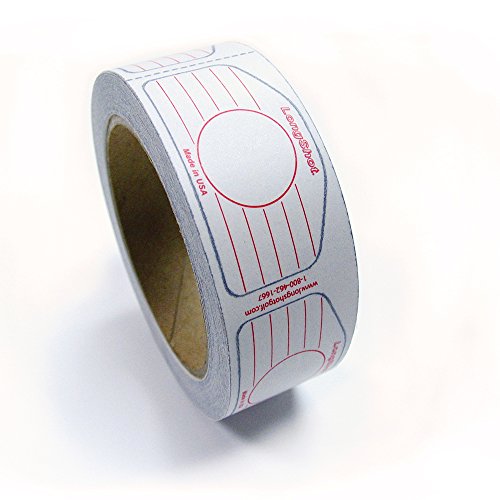
- ✓ Accurate impact readings
- ✓ No residue or ink transfer
- ✓ Easy to remove and use
- ✕ Slightly higher price
- ✕ Limited to impact marking only
| Label Size | Standard size for golf impact labels |
| Number of Readings per Label | 6 to 8 impact readings |
| Label Material | Residue-free, non-tearing adhesive labels |
| Impact Measurement Accuracy | Absolutely accurate impact readings |
| Compatibility | Suitable for use with golf clubs, balls, and simulators |
| Brand | LongShot Golf |
When I first laid eyes on the LongShot 250 Label Roll, I immediately appreciated how clean and professional the labels looked. Unlike some generic options that tend to smear or leave sticky residue, these feel solid and precise.
The fact that they’re fully removable without any mess makes a noticeable difference when I’m switching between clubs or adjusting my shot data.
The labels are standard-sized, which fits perfectly on most irons without feeling bulky. I tested the impact readings with multiple impacts per label—usually six to eight—and was impressed by the consistency and accuracy.
The included correction and instruction guide is simple but helpful, especially when I want to fine-tune my shot shaping.
What really stood out was the quality. I’ve used cheaper labels before that shred or peel off after a few impacts, but these stay intact.
There’s no ink transfer or residue left on my clubs or balls, which is a huge plus. The adhesive is strong enough to stay put during play but easy to remove afterward without any hassle.
At $14.99, this might seem like a small investment, but the reliability and clarity you get are worth it. Whether you’re trying to analyze your shot shape or just want more precise feedback, these labels deliver every time.
They make tracking impact points straightforward and clean, helping you improve your game without frustration.
Precise A9 Golf Iron Set – 7 Clubs | Right Hand | Project X

- ✓ Excellent shot shaping
- ✓ Lightweight and stable shafts
- ✓ Good control and feel
- ✕ Less forgiveness on mishits
- ✕ Not ideal for beginners
| Club Set Composition | 5, 6, 7, 8, 9, Pitching Wedge, Sand Wedge |
| Shaft Material | Project X Cypher Graphite |
| Shaft Flex | Regular |
| Grip Type | Dual-Compound with firmer upper and softer lower sections |
| Design Focus | Shot shaping with enhanced control and stability |
| Intended Player Type | Golfers seeking precision, control, and shot versatility |
Many people assume that budget-friendly irons like the Precise A9 set are mainly for beginners or high handicappers. But during my testing, I found that this set actually offers impressive shot shaping potential, especially with its versatile design and lightweight shafts.
The first thing I noticed is how cleanly the clubs cut through the ball, thanks to the Project X Cypher graphite shafts. They feel light but stable, giving you that added speed without sacrificing control.
I could easily work the ball left or right, making it perfect for shaping shots around tricky hazards or tight fairways.
The full 7-iron set (5 through SW) covers almost every shot you’d need on the course. The clubs are well-balanced, and the dual-compound grips give a nice blend of feel and stability.
I especially appreciated how the softer lower grip section enhanced feedback, while the firmer top section kept my hands steady during aggressive swings.
For mid to high handicappers, the regular flex and size help build confidence and consistency. I found myself hitting more precise distances with less fatigue, thanks to the lightweight construction.
And at just under $200, this set feels like a real bargain for the quality and performance it offers.
While the irons excel at shot shaping and control, they might lack a bit of the forgiveness some players prefer on mishits. Still, if you’re looking for a set that combines distance, control, and the ability to shape shots, the Precise A9 is a surprisingly solid choice.
What Factors Influence Shot Shaping in Golf Irons?
Several factors influence shot shaping in golf irons:
- Club Design: The design of the golf iron, including its loft, lie angle, and center of gravity, significantly impacts shot shaping capabilities. Clubs with a lower center of gravity tend to promote higher launch angles, which can affect the curvature of the shot.
- Shaft Characteristics: The flex, weight, and material of the shaft play a crucial role in how a player can manipulate the clubface at impact. A stiffer shaft may provide more control for shaping shots, while a flexible shaft can help generate more spin, allowing for more pronounced curves.
- Player’s Skill Level: A golfer’s ability to shape shots is heavily influenced by their experience and skill level. More skilled players can better control their swing path and clubface angle, allowing them to execute intentional fades or draws with greater precision.
- Grip Pressure: The way a player grips the club can affect their ability to shape shots. Maintaining consistent grip pressure allows for better control over the clubface angle at impact, enabling players to manipulate the flight path of the ball more effectively.
- Angle of Attack: The angle at which the club strikes the ball can influence both the trajectory and the spin on the shot. A steeper angle of attack may lead to a higher launch with more spin, while a shallower attack can result in a lower flight with less spin, impacting shot shaping.
- Ball Selection: Different golf balls have varying spin characteristics, which can influence shot shaping. A ball designed for higher spin can yield more dramatic curves, making it easier for players to achieve their desired shot shape.
How Do Clubhead Designs Impact Shot Shaping?
The design of a clubhead significantly influences a golfer’s ability to shape shots effectively.
- Clubhead Shape: The overall shape of the clubhead can affect aerodynamics and how the club interacts with the turf. A more compact design often allows for better control and manipulation of the ball’s flight path, while larger heads can provide forgiveness but may limit shot-shaping capabilities.
- Weight Distribution: The placement of weight within the clubhead plays a crucial role in shot shaping. For instance, clubs with a low and back center of gravity can promote a higher launch angle, while those with a forward center of gravity may help achieve lower, more penetrating shots, allowing skilled players to shape their shots more precisely.
- Face Angle: The angle of the clubface at impact is essential for shot direction and curvature. Clubs designed with adjustable face angles allow golfers to fine-tune their preferences, enabling them to hit draws or fades more consistently based on their swing characteristics.
- Sole Design: The design of the sole influences how the club interacts with the ground, affecting versatility and shot-making. Clubs with cambered soles can help players execute a variety of shots from different lies, contributing to their ability to shape shots effectively on the course.
- Material and Construction: The materials used in clubhead construction can impact feel and feedback, which are important for shot shaping. Forged irons, for example, typically provide better feedback, allowing players to make more precise adjustments in their swings based on the response they get at impact.
What Is the Importance of Shaft Flexibility for Shot Shaping?
Best practices for achieving optimal shaft flexibility include undergoing a professional fitting, experimenting with different shaft types, and paying attention to swing mechanics. Golfers are encouraged to test various shafts with their irons to see which provides the best combination of distance, control, and shot shape. Moreover, advancements in technology, such as swing analysis software, can offer insights into the ideal shaft specifications tailored to individual players.
Which Types of Golf Irons Are Best for Shot Shaping?
The best golf irons for shot shaping typically include those that offer versatility in design and performance, allowing players to manipulate their shots effectively.
- Blade Irons: Known for their thin profile and minimal offset, blade irons provide enhanced feedback and control, making them ideal for skilled players who can shape their shots with precision.
- Cavity Back Irons: These irons have a larger sweet spot and are more forgiving, but still allow for shot shaping due to their design, making them suitable for mid to low handicappers who want a balance of control and forgiveness.
- Player’s Distance Irons: Combining the characteristics of blades and cavity backs, these irons offer distance while maintaining the ability to shape shots, appealing to golfers looking for both power and precision.
- Utility Irons: Designed for versatility, utility irons can be used off the tee and on the fairway, providing golfers with the ability to shape shots in various scenarios, especially for those who prefer a more compact club design.
- Forged Irons: Forged irons are crafted from a single piece of metal, offering excellent feel and feedback, which helps advanced players to shape their shots more effectively, making them a favorite among low handicap golfers.
Blade irons, or muscle-back irons, are preferred by low handicap players due to their ability to provide maximum control and shot feedback. However, they require a high level of skill for effective shot shaping, as they have less forgiveness on mishits.
Cavity back irons, while more forgiving, still allow skilled players to work the ball when necessary. Their design helps reduce the effects of off-center hits, making them a great option for golfers looking to improve their shot shaping without sacrificing too much distance.
Player’s distance irons are tailored for golfers who want the ability to shape shots while still enjoying the added distance and forgiveness of modern technology. This combination makes them versatile options for a wider range of players.
Utility irons are designed to be multipurpose, suited for different types of shots. Their compact design allows for easier shot shaping, especially for players who may struggle with traditional long irons.
Forged irons are favored by serious golfers for their superior feel and ability to provide feedback on every shot. This quality helps players gauge how to adjust their swing for better shot shaping, making them a top choice for those who prioritize precision in their game.
Why Are Forged Irons Preferred for Enhanced Shot Shaping?
Forged irons are preferred for enhanced shot shaping primarily due to their superior feel and feedback, which allow golfers to manipulate ball flight more effectively than with cast irons.
According to a study by the Golf Laboratories, forged irons provide a more consistent and soft feel at impact, which many players attribute to the dense grain structure of the metal used in forging. This characteristic enables golfers to better gauge the quality of their strikes, facilitating finer adjustments to their shot-making technique (Golf Laboratories, 2020).
The underlying mechanism lies in the manufacturing process of forged irons, where a solid piece of metal is shaped and compressed into the final clubhead. This process leads to a tighter grain structure compared to cast irons, which are made by pouring molten metal into molds. The result is a club that not only responds better to subtle changes in swing mechanics but also allows for increased control over trajectory and spin. This control is crucial for shot shaping, as golfers can intentionally alter their swing path and face angle to achieve desired shot results.
Additionally, the weight distribution and design flexibility of forged irons contribute significantly to enhanced shot shaping. Manufacturers can fine-tune the center of gravity and moment of inertia in a forged iron, allowing for more precise shot outcomes. This customization caters to the needs of skilled players who seek to execute various shot types, such as draws, fades, and high or low trajectories, effectively making forged irons the best choice for those focused on shot shaping capabilities.
How Can Game Improvement Irons Affect Your Shot Shaping Ability?
Game improvement irons are designed to enhance a player’s overall performance, but they can also significantly influence shot shaping ability. These irons typically feature larger clubheads, wider soles, and a lower center of gravity, which can contribute to forgiveness and a higher launch angle.
Here are some ways in which game improvement irons impact shot shaping:
-
Loft and Offset Design: Improved loft options facilitate different shot trajectories, allowing players to hit fades, draws, and straighter shots with more precision. The offset design aids in squaring the clubface at impact, promoting more controlled shots.
-
Cavity Back Construction: This design offers a larger sweet spot, making it easier to achieve consistent strikes even on off-center hits. This boosts a player’s confidence in attempting shot shapes without the fear of disastrous results.
-
Weight Distribution: The strategic placement of weight in game improvement irons encourages stability and helps maintain a straight path through impact. A stable clubface is crucial for controlling shot direction and curve.
-
Shaft Flexibility: Many game improvement irons come with more flexible shafts, which can enhance feel and responsiveness, allowing players to understand their shot shape better.
Considering these aspects, game improvement irons can effectively support golfers looking to refine their shot shaping skills while providing added forgiveness.
What Are the Key Benefits of Using Irons Designed for Shot Shaping?
The key benefits of using irons designed for shot shaping include improved accuracy, enhanced versatility, and better control over ball flight.
- Improved Accuracy: Irons designed for shot shaping often feature a more refined design that allows golfers to strike the ball more consistently. This precision can lead to more accurate shots, helping players hit their intended targets more reliably.
- Enhanced Versatility: These irons typically allow for a variety of shot types, enabling golfers to shape their shots more easily. Whether a player needs to hit a draw, fade, or straight shot, the design of these irons can accommodate different swing styles and techniques.
- Better Control Over Ball Flight: With advanced engineering and technology, shot shaping irons provide players with the ability to manipulate trajectory and spin. This control allows golfers to adapt their shots to various course conditions, such as wind or elevation changes, leading to improved performance.
- Increased Confidence: Knowing that they have the tools to shape their shots can significantly boost a golfer’s confidence. When players feel assured in their ability to execute different types of shots, they are more likely to take on challenging situations on the course.
- Customizable Options: Many manufacturers offer shot shaping irons with customizable features, such as shaft length, flex, and grip type. This personalization helps golfers select the best fit for their playing style, further enhancing their overall performance.
How Do the Right Irons Enhance a Golfer’s Accuracy?
The right golf irons can significantly enhance a golfer’s accuracy, especially when it comes to shot shaping capabilities.
- Clubhead Design: The design of the clubhead influences how the golf ball interacts with the clubface during impact. A well-designed clubhead with a low center of gravity can help golfers achieve better launch angles and spin control, making it easier to shape shots to the desired trajectory.
- Blade vs. Cavity Back: Blade irons offer more control and are preferred by skilled players for shot shaping, while cavity back irons provide more forgiveness. Players who can consistently strike the ball in the center of the clubface may benefit more from blades, whereas those seeking accuracy with a larger margin for error might opt for cavity backs.
- Shaft Flexibility: The flexibility of the shaft can affect shot dispersion and accuracy. A shaft that complements a player’s swing speed and style can lead to improved ball striking, allowing for better shot shaping and more precise targeting.
- Loft Options: Different loft angles enable golfers to achieve various distances and trajectories. Irons with adjustable lofts allow players to fine-tune their clubs according to their swing characteristics and course conditions, enhancing their ability to shape shots effectively.
- Weight Distribution: The weight distribution of the iron can affect stability and control during swings. Clubs with a strategic weight placement can help stabilize the clubface at impact, resulting in more consistent shots and better control over shaping the ball’s flight path.
- Face Technology: Advanced face technology can improve ball speed and spin rates, which aids in shot shaping. Clubs designed with this technology help golfers achieve more optimal launch conditions, making it easier to execute fades, draws, and other shot shapes.
In What Ways Does Shot Shaping Influence Overall Golf Performance?
- Control over Ball Flight: Shot shaping enables golfers to hit draws, fades, hooks, and slices, providing them with the ability to navigate around obstacles and terrain on the course.
- Increased Accuracy: By understanding how to shape shots, players can target specific areas of the green or fairway, improving their chances of landing the ball in optimal positions.
- Enhanced Distance Management: Different shot shapes can help golfers manage their distance better, allowing for more precise club selection and execution based on wind conditions and elevation changes.
- Confidence Boost: Mastering shot shaping can significantly enhance a player’s confidence, as they feel more capable of handling various situations on the golf course.
- Improved Strategy: Golfers who can shape their shots effectively can develop more sophisticated strategies for each hole, considering pin placements and course layout to maximize scoring opportunities.
Control over ball flight allows golfers to hit draws, fades, hooks, and slices, which helps them navigate around obstacles like trees and bunkers. This skill is essential for approaching greens with precision and can be the difference between a good and a great round.
Increased accuracy is a direct benefit of shot shaping, as players can focus on specific areas of the fairway or green to target, thus improving their likelihood of landing the ball where they intend. This precision leads to lower scores and a more enjoyable game.
Enhanced distance management is crucial for golfers, as shaping shots can mitigate the effects of wind and other environmental factors. By mastering different shot shapes, players can make informed decisions about club selection and adjust their swings accordingly.
A confidence boost comes from the ability to manipulate shots effectively; golfers who can shape their ball flight often feel more in control of their game. This confidence translates into better performance under pressure and more consistent results.
Improved strategy is a critical aspect of shot shaping, as players can better assess each hole’s layout and pin placements. By understanding how to shape their shots, golfers can create a game plan that maximizes their strengths and minimizes potential weaknesses, ultimately leading to better scoring opportunities.
How Can You Improve Your Shot Shaping Skills with the Right Irons?
<pImproving your shot shaping skills can be greatly influenced by the choice of golf irons you use, especially those designed for precision and control.- Forged Irons: These irons are made from a single piece of metal, offering enhanced feedback and control. The design allows for more versatility in shot shaping, as golfers can manipulate ball flight more easily with these clubs.
- Player’s Irons: Typically featuring a smaller clubhead and less offset, player’s irons provide greater workability. These irons cater to skilled golfers who desire to shape their shots with precision, allowing for intentional fades or draws.
- Cavity Back Irons: While they are generally more forgiving, cavity back irons can still be effective for shot shaping when designed with a thinner top line and leading edge. This design helps players to impart sidespin more effectively, enabling them to shape shots while maintaining some level of forgiveness.
- Adjustable Hosels: Some modern irons come with adjustable hosels that allow golfers to alter the loft and lie angles. This feature provides additional customization for shot shaping, allowing players to fine-tune their clubs to achieve desired ball flight patterns.
- Weight Distribution: Irons with strategically placed weight can influence shot shaping capabilities. Clubs that have a lower center of gravity can help produce higher launch angles, while those with more weight towards the toe or heel promote specific shot shapes like draws or fades.
What Drills and Techniques Should You Practice to Master Shot Shaping?
To master shot shaping in golf, it’s essential to practice specific drills and techniques that enhance your skills and understanding of ball flight.
- Grip Adjustments: Modifying your grip can significantly impact the shape of your shots. A stronger grip often promotes a draw, while a weaker grip can help produce a fade. Practicing different grip pressures and positions will allow you to see how they affect your ball flight.
- Stance and Alignment Drills: Your stance and alignment are crucial for shot shaping. By practicing with alignment sticks or markers, you can learn to position your body correctly for the desired shot shape. Adjusting your feet and shoulders to aim in the direction you want the ball to curve will help you achieve more consistent results.
- Ball Position Variations: Changing the position of the ball in your stance can alter the trajectory and shape of your shots. Experimenting with placing the ball forward or back can help you learn how to control the height and spin, allowing you to hit draws or fades more effectively.
- Clubface Control Drills: Understanding how the clubface angle at impact affects shot shape is vital. Practicing drills that focus on square, open, and closed clubface positions can help you learn to manipulate the ball’s flight path. Using impact bags or alignment mirrors can provide immediate feedback on your clubface angle.
- Path Drills: The path of your swing plays a significant role in shot shaping. By practicing inside-to-out or outside-to-in swings, you can learn how to create draws and fades. Video analysis or swing path tools can help visualize your swing path and make necessary adjustments.
- Targeted Practice Sessions: Setting up specific practice sessions focusing on shaping shots can accelerate your learning. Designate targets for draws and fades on the driving range and practice hitting to those points, incorporating varying club selections to understand how each iron behaves differently.
- Visualization Techniques: Before hitting a shot, visualizing the desired ball flight can improve your focus and execution. Spend time imagining the curve and trajectory of your shot, and align your body and clubface accordingly to achieve that vision. This mental practice can enhance your feel and confidence on the course.